On this page
Stock alkaline batteries in the sizes your torches and radio take, in a bulk pack with a stated shelf life of seven to ten years. For most homes that means a large pack of AAs plus some AAAs. Count what each device needs, keep at least one full spare set per device, and store them outside the devices.
- Check the size printed inside each torch and radio before you buy.
- A stated 10-year shelf life suits a kit you check twice a year.
- Store spares out of devices, because old alkaline cells can leak.
- Rechargeables save money in daily life but need power to refill.
Be Ready's kit list asks for a battery or wind-up torch with spare batteries, and a battery or wind-up radio. The spare batteries are the part people forget. A torch with a flat set in it at 9pm on a winter evening is not much help.
This list covers disposable alkaline batteries bought in bulk, ordered by how well they suit a box that sits untouched until the lights go out. Packs with a stated ten-year shelf life or anti-leak protection come first. Most are AA, the size most household torches, lanterns and radios take, with one AAA pack and one mixed pack. If your devices use C, D or 9V cells you will need to buy those separately, so audit what you own against which batteries to keep at home.
Our picks for a power cut, at a glance



Amazon Basics 48 pack AA alkaline
★ 4.6 from 943,200 buyers · About £8.82 when checked 18 November 2026Forty-eight AAs with a stated ten-year shelf life for under £10 is the simplest way to stock a household. A box bought now should still be good at kit checks for years. The listing shows 4.6 from more than 900,000 ratings across the range.
- 10-year stated shelf life
- 48 cells for under £10
- Very large ratings record
- Own-brand cells
- Ratings are shared across pack sizes
GP Ultra 36 pack AAA alkaline
★ 4.6 from 41,400 buyers · About £14.99 when checked 18 November 2026Head torches and small radios often take AAA cells, and this pack of 36 states a ten-year shelf life. The title mentions alarms among its uses. About £15, rated 4.6 from about 41,400 buyers.
- 10-year stated shelf life
- 36 AAA cells
- Only worth it if your devices take AAA
- Dearer per cell than the AA packs
GP Extra 40 pack AA, anti-leak
★ 4.6 from 30,700 buyers · About £14.99 when checked 18 November 2026The title states a ten-year life and anti-leak protection, the two things that matter most for cells that will sit in a box for years. Forty AAs cost just under £15. Rated 4.6 from about 30,700 buyers.
- 10-year stated life
- Anti-leak, per the listing
- 40 cells
- Costs more per cell than the top pick
Amazon Basics 100 pack AA alkaline
★ 4.6 from 943,200 buyers · About £18.71 when checked 18 November 2026The dearest pack here, at a little under £20, buys quantity: 100 AAs with a stated ten-year shelf life. That is enough to run several lanterns and a radio through a long outage, or to share with neighbours and relatives. Same 4.6 rating across the range as the 48 pack.
- 100 cells
- 10-year stated shelf life
- Lowest cost per cell here
- More than a small household will use before the date
- Needs dry, cool storage space
Philips Ultra AA and AAA mixed pack of 40
★ 4.7 from 2,100 buyers · About £11.99 when checked 18 November 2026A mixed pack of 40 AA and AAA cells, with torches named in the title among its uses. It suits a household that has not yet checked which sizes its devices take. About £12, rated 4.7 from about 2,100 buyers.
- Both common sizes in one box
- 4.7 buyer rating
- No shelf life stated in the title
- The split between AA and AAA is not given in the title
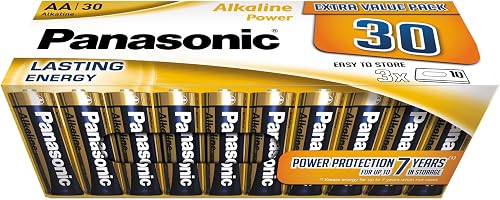
Panasonic Alkaline Power 30 pack AA
★ 4.7 from 1,800 buyers · About £10.99 when checked 18 November 2026Thirty AAs with anti-leak protection and a stated seven years of storage, for around £11. Anti-leak matters if you leave a set inside a torch by the bed so it is ready at once. Rated 4.7 from about 1,800 buyers.
- Anti-leak protection, per the listing
- 7 years of stated storage
- 4.7 buyer rating
- Shorter stated storage than the ten-year packs
Energizer Alkaline Power 24 pack AA
★ 4.7 from 78,100 buyers · About £8.85 when checked 18 November 2026Twenty-four AAs for under £10, rated 4.7 from about 78,100 buyers. A smaller pack suits a flat with a single torch and radio, where 48 cells would outlast their date.
- Under £10
- 4.7 from about 78,100 buyers
- No shelf life stated in the title
- Dearer per cell than the bulk packs
How we chose
These picks were chosen from Amazon UK listings checked on 18 November 2026, using only what each listing states, its price band and its buyer ratings. Nothing here has been hands-on tested by us, so treat the list as a shortlist to check, not a lab verdict. Prices and stock change, and listings are sometimes edited, so read the current page before you buy.
Work out sizes and quantities first
Start from how many torches your household needs, then open every torch, lantern and radio you would use in a cut and note the size and number of cells. A lantern that takes three AAs and a radio that takes four means seven per refill. Keep at least one full spare set for each device, and two for the ones you would run all evening.
How long a set lasts depends on the device and its brightness setting, which is why how long LED lanterns run varies so widely. Low settings stretch a set of batteries a long way.
Shelf life and leaks
Shelf life is how long an unused battery keeps most of its charge. The packs here that state a figure say seven or ten years. For a kit, buy the longer figure and write the purchase month on the box, so the date is easy to read at your six-monthly kit check.
Alkaline cells can leak as they age, and the residue corrodes contacts. Take batteries out of devices you only use in emergencies and store them alongside, in the original packaging or a plastic case. Keep them cool and dry, and never loose in a drawer with keys or coins, where the terminals can short.
Disposable or rechargeable
Disposable alkalines are the right choice for a kit that sits untouched: they hold charge for years and need nothing to be ready. Rechargeable cells cost more up front and pay back in devices you use weekly, but in a long cut you need a way to refill them.
Many households do both, with the rechargeable batteries and chargers we shortlisted in everyday devices and a sealed box of alkalines in the kit.
How much to spend on batteries for emergencies
Batteries are the cheapest part of a kit. At the budget end, under £10 buys 24 to 48 AAs, and the 48 pack with a ten-year stated shelf life is all most homes need. The middle, £11 to £15, buys anti-leak protection, a big-name brand or a pack of AAAs. The high end is only about £20 and buys 100 cells, which is worth it for a large household or a shared street stock and wasteful for one person. Paying more per cell does not buy more hours of light in any way a listing title can show. A modern LED device matters more, which is one of the basics of lighting a home without mains. Spare money is better spent on one of the torches on our shortlist.
Recycle used batteries at a shop or council collection point. Do not put them in household waste, where they can cause fires.
Common questions
How many batteries should I keep for a power cut?
Count the cells in every torch, lantern and radio you would use, then keep at least one full spare set for each. A pack of 40 or 48 AAs covers most households with room to spare.
Do alkaline batteries go off?
They slowly lose charge. The packs here that state a figure say seven or ten years. Check the date on the pack and replace stock that has passed it.
Can I mix old and new batteries in a torch?
No. Mixing old with new, or different brands, raises the risk of leaks and gives poor runtime. Replace the whole set together.
Are AA or AAA batteries more useful?
AA is more common in lanterns and radios and holds more energy. AAA is common in head torches and small devices. Check your own kit.
Reviewed against these sources on 18 November 2026. If official advice has changed since, follow the official advice.
General information only. This page is not professional, safety, medical, legal or financial advice, and it is not official guidance. No national blackout has been forecast or announced, and nothing here suggests one is expected. We are independent and have no connection to the government or any energy company. Products are chosen from retailer listings and buyer ratings and have not been tested by us; some links earn us a commission. Always check the official sources linked on this page. Full disclaimer
Keep reading
 Guide
Blackout shopping list: what to buy first, and what can wait
What to buy for the blackout, in order: a shopping list based on the government's Be Ready kit, with what to buy first, what can wait and what to skip.
Read: Blackout shopping list: what to buy first, Guide
Build an emergency kit for under £50
How to build a three-day UK emergency kit cheaply: what you already own, what to buy first, what can wait, and the few items where cheap is a false saving.
Read: Build an emergency kit for under £50 Guide
Checking your kit every six months
A 20-minute routine for checking your emergency kit every six months: batteries, power banks, food and water dates, medication and paperwork.
Read: Checking your kit every six months Question
Are ready-made emergency kits worth it?
Are ready-made emergency kits worth buying in the UK? When a pre-packed kit makes sense, when it does not, and three checks to make before you pay.
Read: Are ready-made emergency kits worth it?